
Fleet Consulting
The Same Fleet Problem Keeps Coming Back. What Needs to Change?
A vehicle goes down. Your team rearranges the work, handles the repair and gets through the day. Then it happens again.
You may know which vehicles cause problems without knowing whether the next step should be a different maintenance approach, repair protection or replacement.
Auto Advocate helps you work through those decisions. We start with what is happening, examine what it costs your operation and help you decide what deserves attention first.
A Place to Work Through the Fleet Decisions on Your Desk.

Fleet decisions affect one another. Keeping a vehicle longer changes your repair exposure. Replacing it changes your purchasing needs. A recurring tire problem affects maintenance spending and the work you can complete.
Looking at each expense separately can make it difficult to see where a change would help most.
We help you work through practical decisions: which recurring problem to address first, whether to keep or replace a vehicle, how to build maintenance around your operation and which repair risks you want protection to address.
You may need help with one recurring issue or a broader review. We agree on the focus around your concerns and the decisions you need to make.
Look at the Vehicles, the Work and the Costs Together.
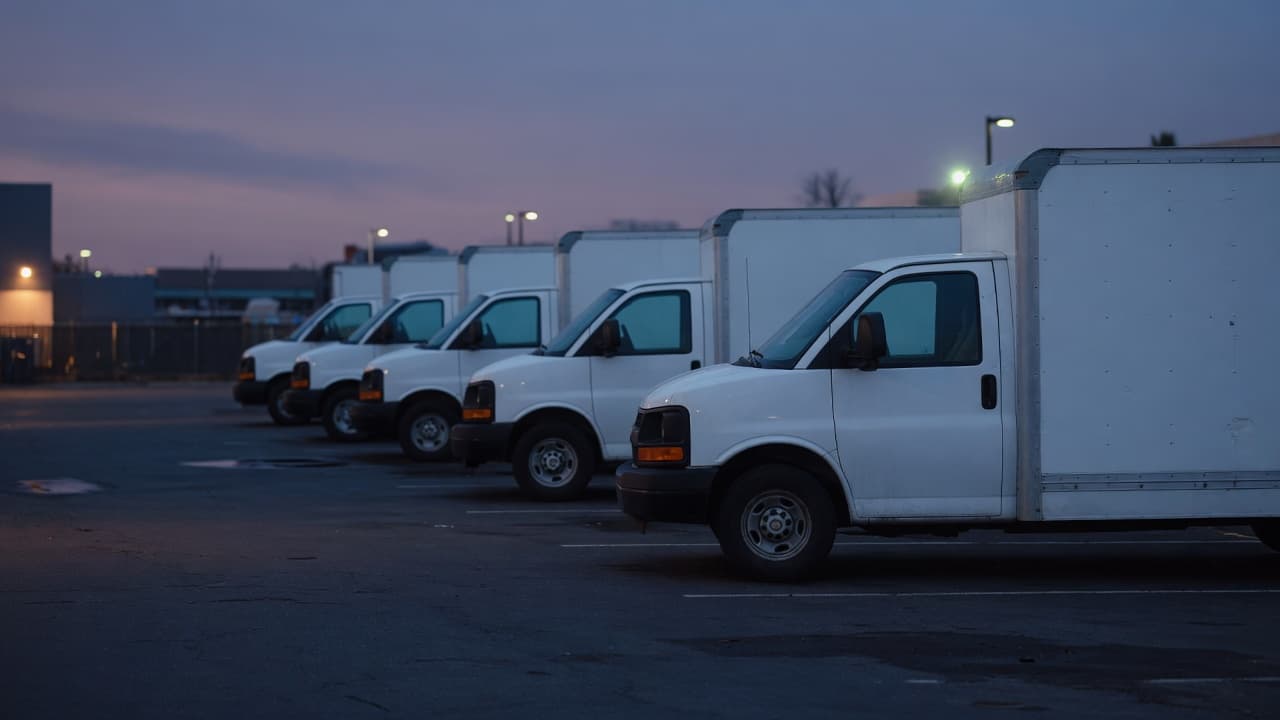
A vehicle list tells us what you own. Understanding what those vehicles do tells us why a problem matters.
We look at vehicle types, age, mileage, operating conditions and expected ownership. Then we connect that information to service history, incidents, downtime and expenses.
Which vehicles keep returning to the shop?
Which are difficult to replace temporarily?
Where does one interruption affect an entire crew or route?
Your records help identify patterns. Your team's experience helps explain what those patterns mean. Together, we build a clearer picture of where your fleet is creating extra cost, risk or work, and where a closer review would be useful.
What Has to Happen Every Time Something Goes Wrong?
When a vehicle becomes unavailable, someone has to keep the operation moving.
That may mean rescheduling customers, finding another vehicle, moving equipment or asking another employee to cover the work.
Someone also has to arrange service and follow up.
We help you examine how that process works today.
Who reports the problem?
Who makes the decision?
Where does the process slow down?
What happens when the person who normally handles it is unavailable?
We also look at how maintenance is scheduled, records are kept and recurring concerns reach the people responsible for acting on them.
Understanding those responsibilities helps us identify whether the difficulty starts with the vehicle, the process or a combination of both.
Decide Which Change Is Worth Making First.
Once we understand the problem, we can examine the business case for addressing it.
That includes invoices, frequency, time out of service, employee coordination and replacement transportation. Where figures are estimates, we identify them as estimates.
Then we compare suitable approaches with the cost and disruption you are experiencing.
- 1
Set the Priorities
Identify which issues have the greatest effect on your people, budget and ability to complete work.
- 2
Evaluate the Approaches
Consider process changes, safety tools, tire prevention and protection, customizable maintenance programs, vehicle service contracts, and purchasing or replacement decisions.
- 3
Work Through the Tradeoffs
Look at upfront and ongoing costs, coverage limits, implementation requirements and the expenses your business would still carry.
- 4
Agree on a Practical Next Step
Decide what to address, who needs to be involved and what information is needed before committing.
Sometimes the useful change is a service or protection program. Sometimes it is a clearer process or a different replacement decision. Your operation and numbers guide the recommendation.
The review helps establish a priority, compare suitable approaches and agree on the next action.
Make the Selected Approach Usable for Your Team.
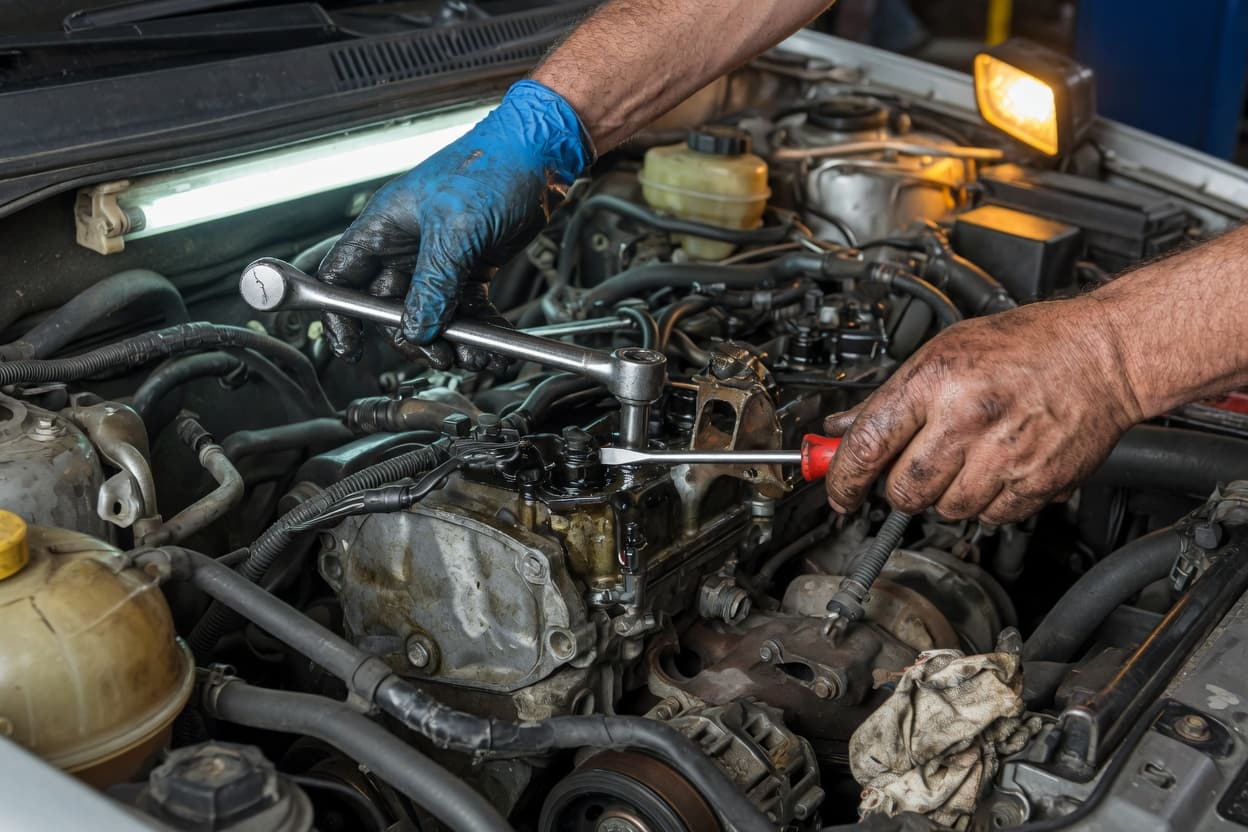
A recommendation needs to work in the day-to-day operation.
Once you select an approach, we help work through the relevant details: responsibilities, enrollment, installation or service access, and the steps your team needs to follow.
For a maintenance or protection program, that means understanding the selected services, terms and process for using it. For a purchasing or replacement decision, it means clarifying vehicle needs, timing and the transaction details that deserve review.
We also help identify what to track afterward, such as recurring incidents, completed service, repair expenses or days out of service.
That gives you a basis for reviewing what changed and deciding whether further adjustment is needed.
You can return to us when circumstances change or the next fleet decision gets complicated.
Start With What You Know About Your Fleet.
You don't need a perfect spreadsheet to begin. Bring the information you have, and we'll help identify what else would make the review useful.
Your Vehicles and Their Work
Vehicle types, age, mileage, usage and expected replacement timing help us understand the operation.
Recurring Problems
Identify the issues that keep returning, the vehicles involved and how often your team has to respond.
Expenses and Interruptions
Repair invoices, maintenance records, incident history and time out of service help establish the impact.
Your Priorities and Decision Process
Tell us what a useful improvement would look like, who needs to be involved and which budget or timing constraints matter.
Need Help Getting Started?
Talk to a Fleet Advocate.Tell Us What Keeps Getting in the Way.
The first conversation starts with your operation and the fleet problem taking the most time, money or attention.
We'll ask how it is handled today, what happens when it occurs and what you would like to improve.
Then we'll summarize what we heard and confirm the priorities with you before discussing possible approaches.
From there, we can agree on the next step, whether that means reviewing records, examining costs or evaluating a particular change.